Lighting can make or break a photo or video, and sometimes the most unassuming tools create the biggest impact. Have you ever wondered how intricate shadows and textures come to life? The answer often lies in a GOBO—a simple object placed between a light source and your subject. This guide will walk you through what gobos are, how they work, and how to start using them to elevate your lighting game.
Quick View
What are Gobos?
A gobo is essentially a light modifier – an object placed between the light source and the subject or background to shape or block light, creating unique patterns and shadows. The term itself is short for ‘Goes Before Optics’ or ‘Go-Between Object’. These versatile tools allow photographers and filmmakers to add depth, texture, and creativity to their lighting setups.
Gobos can be precision-cut metal plates that fit into a projector or lighting attachment for sharp, consistent patterns. Alternatively, they can be budget-friendly DIY creations crafted from everyday materials like cardboard, lace, or foliage. The beauty of gobo lighting lies in its adaptability – in either form, it offer endless possibilities for enhancing your visuals. Whether you’re aiming for geometric precision, natural textures, or abstract designs, these provide a flexible way to shape your lighting environment.
Why Use GOBOs in Photography and Videomaking?
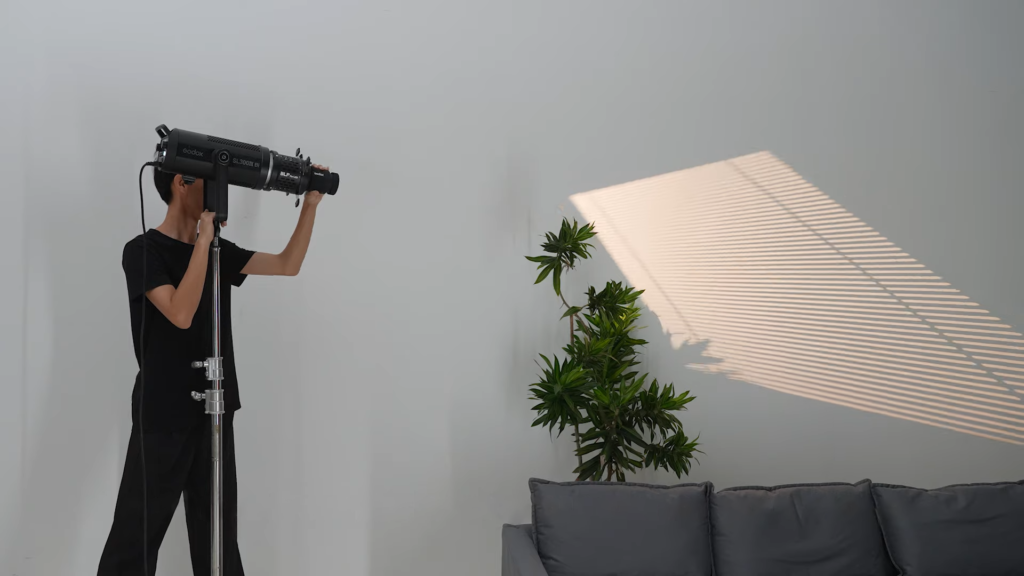
Lighting is one of the primary ways humans interpret space and atmosphere, even subconsciously. A shadow of window grid in a photo clearly suggests a sunlit room just beyond the frame, even when there’s no window in your studio. The ability to imply a world outside the shot makes gobos invaluable storytelling tool for photographers and filmmakers looking to enhance their narratives with even more depth and creativity.
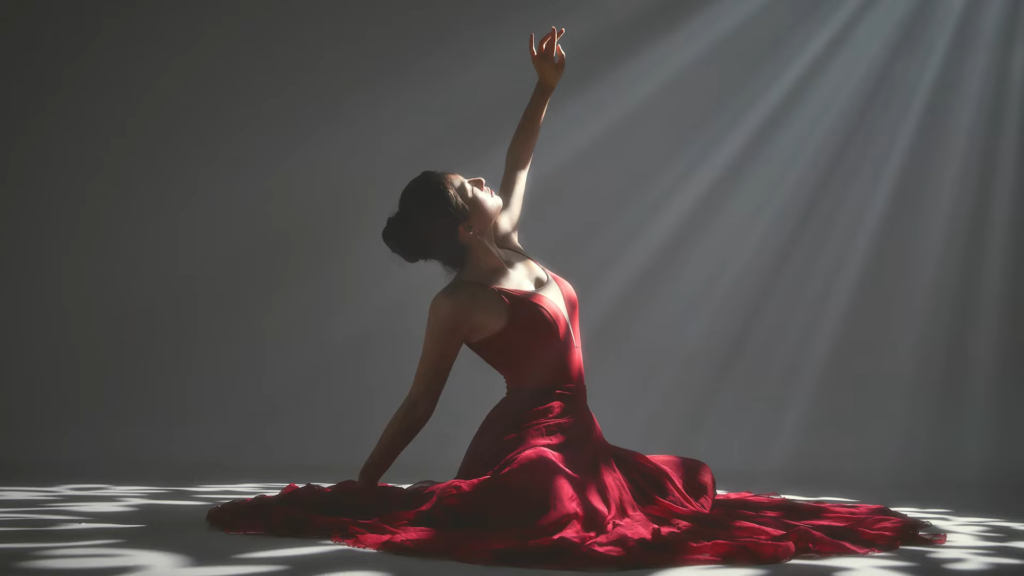
By casting patterns of light and shadow, gobos can evoke moods, suggest environments, or add drama, texture, and depth to otherwise flat scenes by creating striking contrasts between light and shadow. When a scene lacks depth or texture, gobos can introduce captivating patterns or abstract designs, transforming minimal setups into visually engaging compositions. A gobo can also mimic natural elements like sunlight through window blinds or dappled light filtering through trees, making it possible to create outdoor settings within a controlled studio environment.
Here’s how they’re most often used in photography and film:
- Portraits: Add depth and mood by casting shadows that sculpt and highlight the subject’s features, or create visual interest in the backdrop.
- Food photography: Simulate natural light through a window or outdoor-themed setups like a picnic scene, or use subtle textures to elevate the shot without overpowering the subject.
- Product photography: Create elegant patterns or backdrops that make products stand out. A simple geometric shape or intricate design can transform a standard shot into a premium-looking image.
- Boudoir photography: Use gobos to craft sensual and mysterious lighting effects, sculpting the subject’s form and adding depth.
- Conceptual and abstract work: Play with shapes, patterns, swirls, or natural elements to tell stories or evoke emotions in creative projects.

The Best Light Sources for Gobos
When it comes to working with gobos, almost any light source can be used—speedlights, studio flashes, COB LED lights, or even sunlight. Each has its own strengths, making gobos a versatile option for photographers and filmmakers. However, if you want precise, sharp, and consistent results, Bowens mount spotlight attachments are definitely the best choice.
The Perfect Solution: Spotlight & Projection Attachments
Spotlight attachments are precision optical modifiers specifically designed to shape and focus light, making them ideal for gobo lighting. Mounting onto Bowens-compatible lights—such as COB LED lights or studio flashes—they combine the power and flexibility of these lights with unmatched control over the light beam using lenses.
Here’s what makes them an excellent choice for creating dynamic lighting effects:
- Sharp or blurred patterns: Most contemporary Bowens spotlight attachments allow you to easily adjust the focus of the light beam. This gives you the flexibility to create sharp, defined patterns or soft, blurred effects, depending on your creative needs.
- Comprehensive light shaping: Many spotlight attachments include features such as an iris for precise size control, cutting shutters to narrow the light into strips, and slots for adding coloured gels for extra creative versatility.
- Included and custom GOBO plates: Spotlight attachments typically come with a selection of
gobo plates to get you started, with additional sets available for purchase. You can also experiment by crafting custom plates to achieve unique effects tailored to your project.
Using Other Light Sources
While spotlight attachments with Bowens mount lights provide the best results, GOBOs can still work effectively with other light sources:
- Speedlights: Compact and portable, speedlights can be placed behind a DIY cutout or object, or paired with snoots or grids to narrow the beam for simple GOBO effects.
- LED Panels: Although broader in output, LED panels can create softer, abstract patterns when used with DIY materials.
- Sunlight: Outdoors, you can experiment with different fabrics, branches, foliage, or even wire fences to filter sunlight and create natural, dappled patterns.
What to Avoid
Diffuse light sources, such as those softened by umbrellas or large softboxes, are less effective for gobos. The scattered light softens the patterns, resulting in blurry or indistinct shadows. To get the best results, stick to light sources that provide a directional beam.
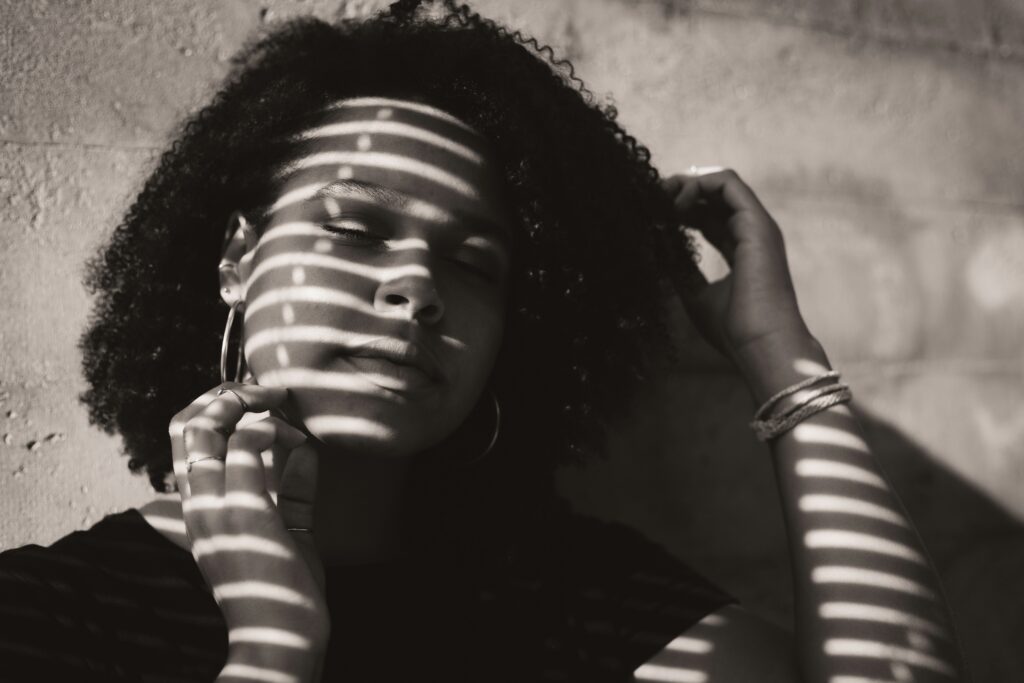
Spotlight & Projection Attachments for Gobo Lighting
For achieving polished and precise gobo effects, few tools compare to the control offered by Godox projection attachments. With options available for both Bowens-mount lights and smaller flashes, these tools cater to a wide range of lighting setups, from studio photography to on-location shoots.
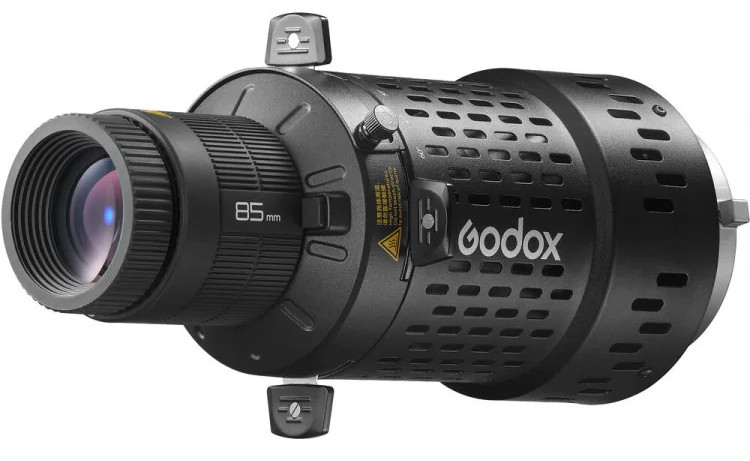
Godox BFP Flash Projection Attachment
The Godox BFP is an excellent choice for studio photographers seeking versatility and precision. Built-in shutter blades let you create sharp shapes like triangles, squares, and rectangles—something you won’t find in simpler attachments. Its 360° rotatable design gives you easy control over the direction of your gobo pattern or shutter shape. It comes with an 85 mm lens, with three more (48, 65, and 150 mm) available separately to cover different shooting needs. For even more flexibility, the BFP works with a range of EF-mount lenses, opening up further creative options.
Godox BLP LED Projection Attachment
Released alongside the BFP, the Godox BLP offers the same precise control and creative flexibility but is specifically designed for Bowens-mount COB LED lights. With features like built-in shutter blades and compatibility with additional lenses, it’s tailored for continuous lighting setups, making it an excellent choice for video work or longer shoots. The BLP provides all the functionality of the BFP while being optimised for LED lights, ensuring consistent performance and reliability.
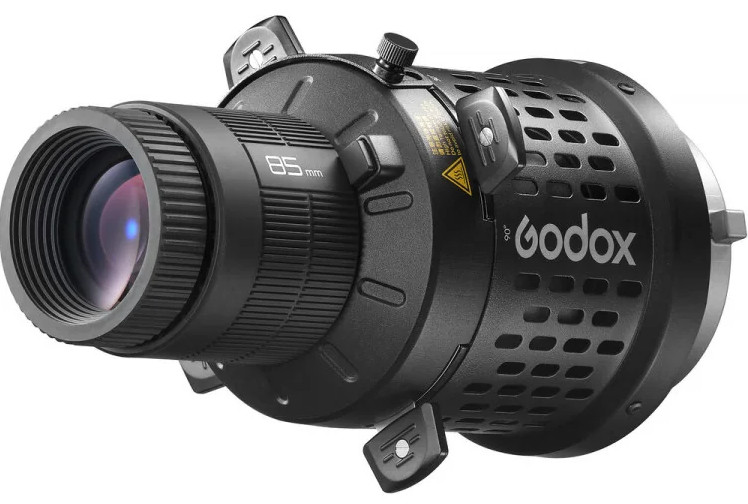
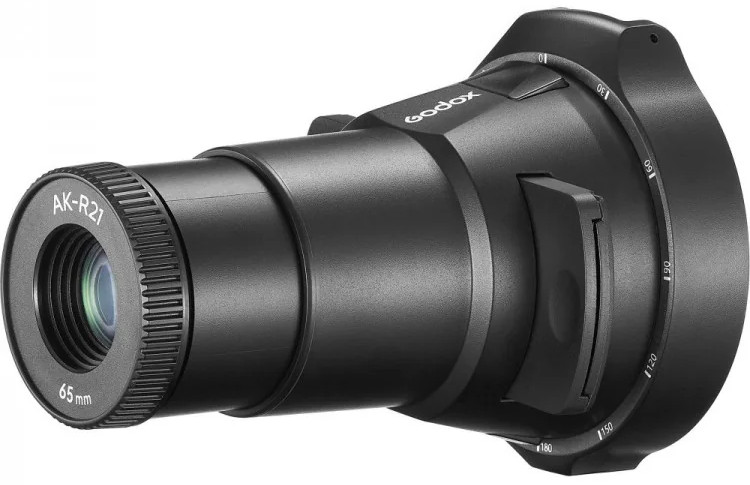
Godox AK-R21 Projection Attachment
Compact and lightweight, the Godox AK-R21 is designed for round-head flashes like the Godox V1, AD100Pro, and AD200Pro, as well as standard rectangular speedlites. It’s perfect for smaller setups or on-location work, allowing you to project intricate patterns and effects with ease. It includes a 65 mm lens and a transparency set, with optional 50 and 83 mm lenses available for added flexibility. With its 360° rotatable design, degree-marked mounting ring, and adjustable focus, the AK-R21 makes it easy to create sharp or blurred projections for any setup.
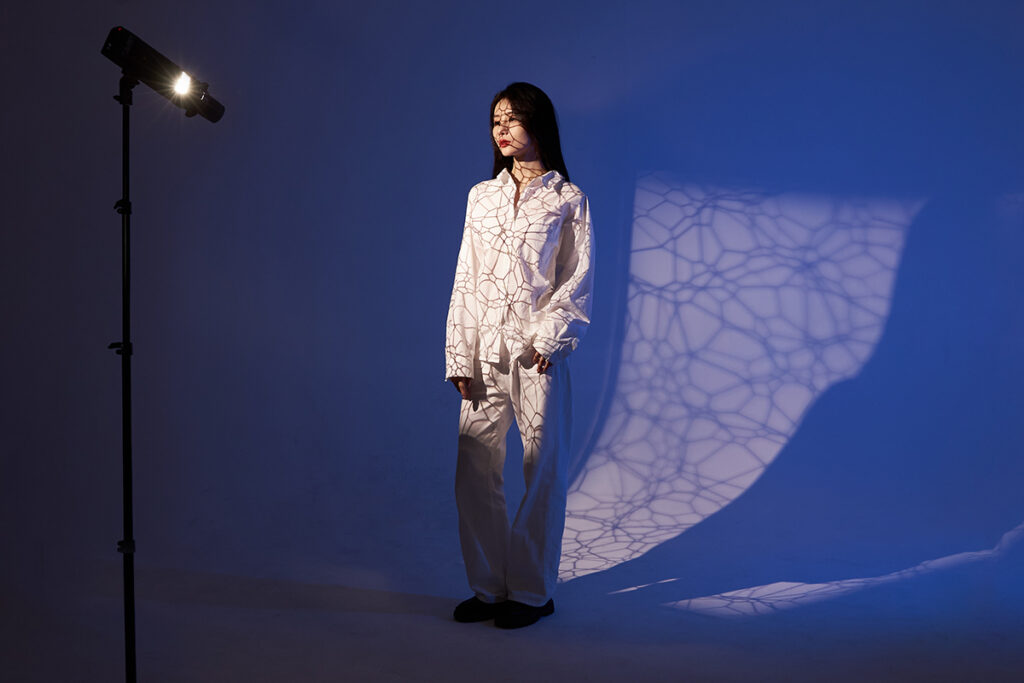
DIY vs Professional Gobos
Whether you’re working on a budget or aiming for precision, GOBOs can be as simple as a DIY cutout or as polished as professionally crafted plates. Which one you go for depends on what you’re trying to create, how much detail you need, and how much time you want to spend preparing and setting it up.
DIY GOBOs: Budget-Friendly Creativity
For those just starting out or working with limited resources, DIY GOBOs are a cost-effective and highly customizable option. Everyday materials such as cardboard, lace, leaves, or even household objects can be used to create unique patterns. A pair of scissors, some creativity and keen eye is often all you need to craft intricate designs that suit your vision.
Pros:
- Low-cost and accessible.
- Completely customizable for your specific project.
- Ideal for experimenting with unconventional textures and shapes.
Cons:
- Results may lack precision and adjustability, especially for sharp or intricate patterns.
- Materials like cardboard can degrade or warp over time.
- Can be time-consuming to create complex designs.
Professional Gobo Equipment: Precision and Consistency
High-quality manufactured GOBOs are typically metal, plastic or glass plates, designed to fit into appropriate projection or spotlight attachments. These are perfect for photographers and filmmakers seeking polished, consistent results with minimal setup time. Projection attachments also streamline your setup, requiring less space and hardware compared to DIY alternatives like cardboard cutouts.
Pros:
- Sharp, precise patterns, even for highly intricate designs.
- Durable and long-lasting materials.
- Save time on setup and pattern changes, especially during fast-paced shoots.
Cons:
- Higher upfront cost compared to DIY options.
- Limited gobo patterns, unless you commission or make your own custom plates.
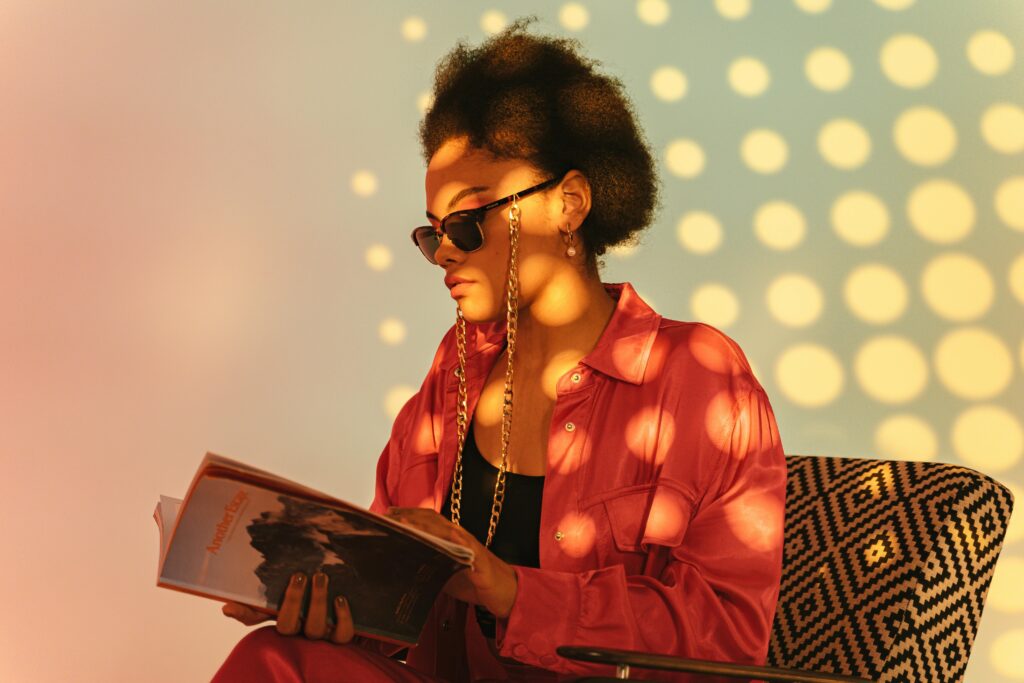
Tips for Using Gobos Like a Pro
To get the best results from your GOBOs, it helps to know how visual cues, positioning, distance, and lighting work together. These tips will guide you in creating sharp effects, soft textures, or anything in between—all while keeping your shots visually balanced and impactful.
Choosing the Right Pattern
Before you start setting up your shoot, think about the mood you want to create. Are you aiming for the softshadows cast by tree branches swaying in the breeze, or the sharp, contrasting shapes of window blinds on a moonlit night? These two setups can set very different tones, and the gobo you choose should reflect that. By considering the atmosphere you want to evoke, you can select a pattern that enhances your story and strengthens the emotional impact of your shot.
Placement and Distance
Where you place your gobo in relation to the light source and subject has a big impact on the effect you achieve. With DIY cutouts, you can adjust the light distance to control sharpness and size. The closer the gobo is to the light source, the larger and softer the pattern will appear. When you move it towards the subject, the shadows become sharper and more defined. Projection attachments make it even easier—simply turn the focus ring to adjust between a sharp or blurry effect without needing to move the light or gobo.
Angles and Direction
The angle of your gobo can change the entire mood of your shot. A straight-on angle gives you clean, symmetrical patterns, while tilting the gobo adds depth and drama by stretching the shadows. By angling your light, you can suggest light coming from a specific direction, like through a window or behind tree branches, giving your scene a more dynamic feel.
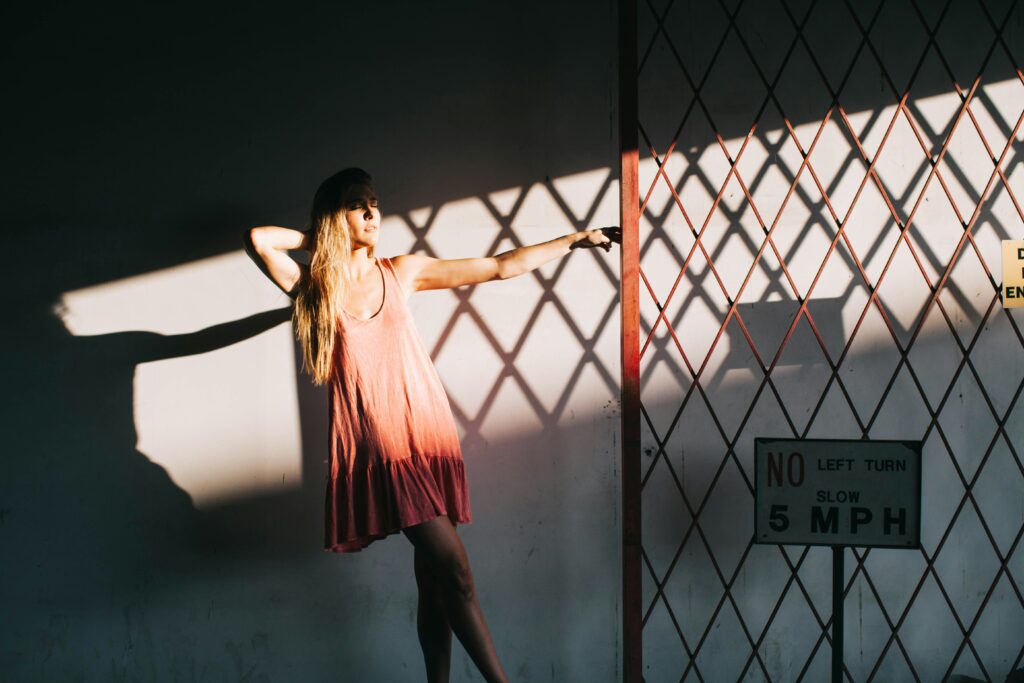
Layering and Combining Gobos
Why settle for just one gobo when you can layer them? Stacking multiple gobos allows you to combine textures and patterns, creating bold and unique effects. This technique is perfect for adding complexity and interest to your lighting, whether you’re aiming for an intricate look or something more abstract.
Balancing Light and Shadow
Balancing your gobo effects with the rest of your lighting is key to keeping the focus on your subject. Use fill lights to soften harsh shadows and reduce contrast, ensuring the background complements rather than competes with your main subject. Don’t overdo it with too many patterns—sometimes a subtle approach creates a more impactful effect.
Add Colored Gels
You’re not limited to white light only—adding coloured gels can completely transform your projections. Whether you apply a gel over your speedlite for a DIY gobo or use filters with a projection attachment, the added colour will introduce new moods and layers to your images, enhancing the overall effect.
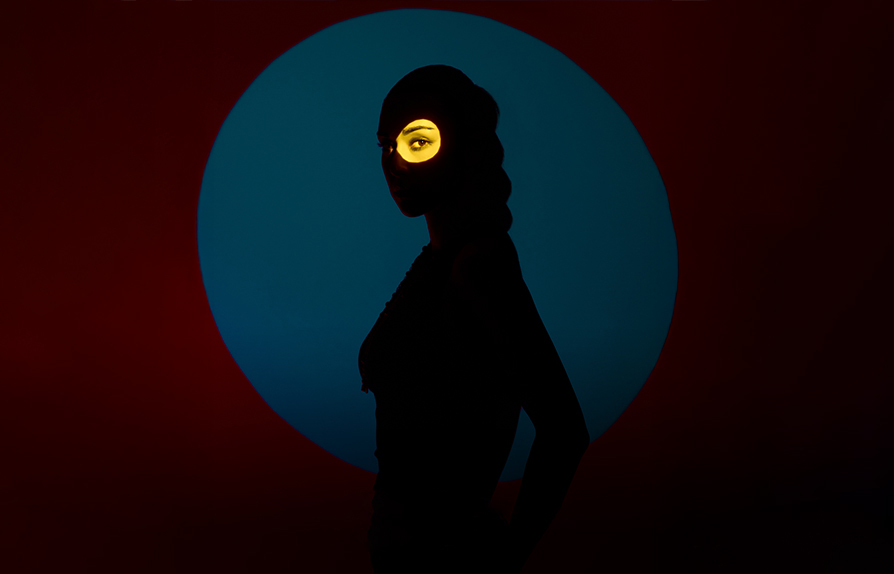
Closing Thoughts
Gobos offer endless creative possibilities, whether you’re using DIY cutouts or professional projection attachments. By experimenting with different patterns, placements, and lighting techniques, you can create truly unique atmospheres in your shots. Remember, it’s all about experimenting—don’t be afraid to play around with distance, angles, and even colours to achieve the exact mood or effect you envision. Whether you’re a beginner or a seasoned pro, GOBOs are a powerful tool to elevate your photography or filmmaking and bring your creative ideas to life.